

This blog post appeared on the website of camp search database Sleepawayz. To read this post in full on the Sleepawayz website, click here.
By Alex Toole
As the director of a full-season boys’ camp in Maine, I’m asked the same questions by nearly every new family: “Can my child really handle six weeks away?” “What if he gets homesick?” “Is a full summer too much for a first-time camper?”. These questions come from a place of love, and they’re completely understandable. Six weeks or more away can sound daunting, especially when many camps now offer one- or two-week options. But after years of watching boys arrive on Opening Day and leave six weeks later as more confident, capable versions of themselves, I can say without hesitation that a full-season camp is not only doable, but far more beneficial and absolutely worth the investment.
Can kids really handle a full‑season camp?
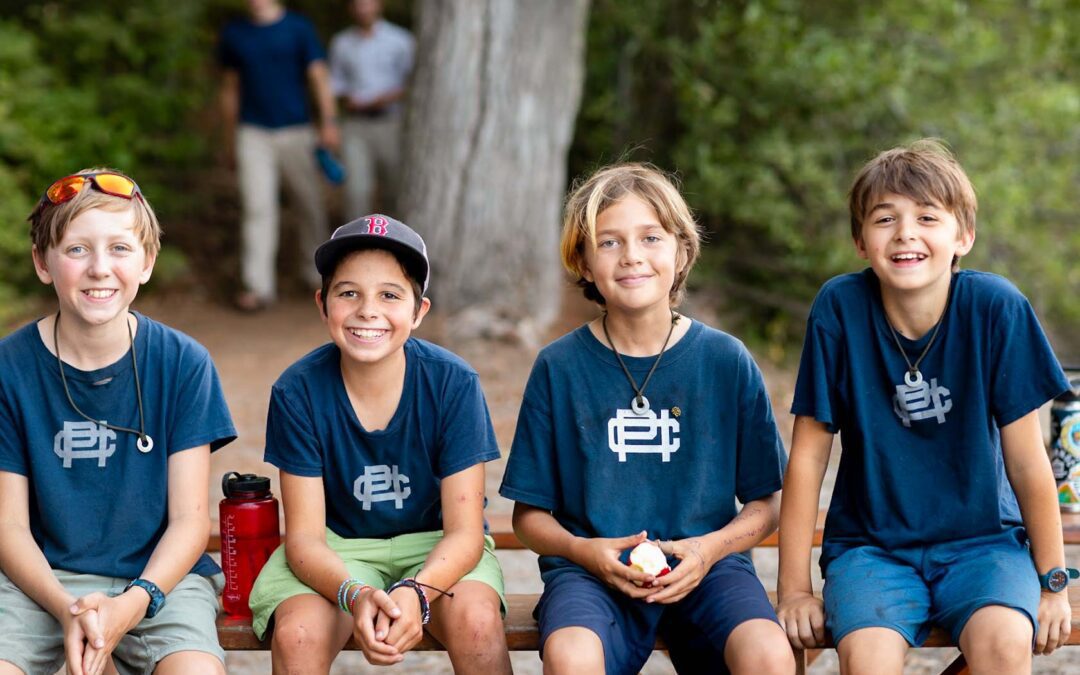
Every year, as I watch campers step off the boat on Opening Day (our camp is on a small private island), I’m reminded of why a full-summer experience matters so deeply. In a world where childhood is increasingly rushed, scheduled, and interrupted, a full-season camp offers something rare: enough time for real growth to take root. At Pine Island Camp, our single-session, full-summer model isn’t accidental. In fact, it’s the cornerstone of how we help boys develop resilience, confidence, and a truer sense of themselves. Most families initially see camp as a place for fun (and it is). But beneath the laughter, activities, and campfires lies something far more important. Our work isn’t just entertainment; it’s personal development. Over a full six weeks, boys practice courage, empathy, cooperation, and adaptability every single day. Shorter sessions don’t provide enough time for campers to settle in, face and conquer challenges, or take on leadership roles. At many one-week camps, campers head home just as they’re starting to understand the rhythm of camp life. At Pine Island, those early days are only the beginning of their growth.

Real growth that shorter camps can’t replicate
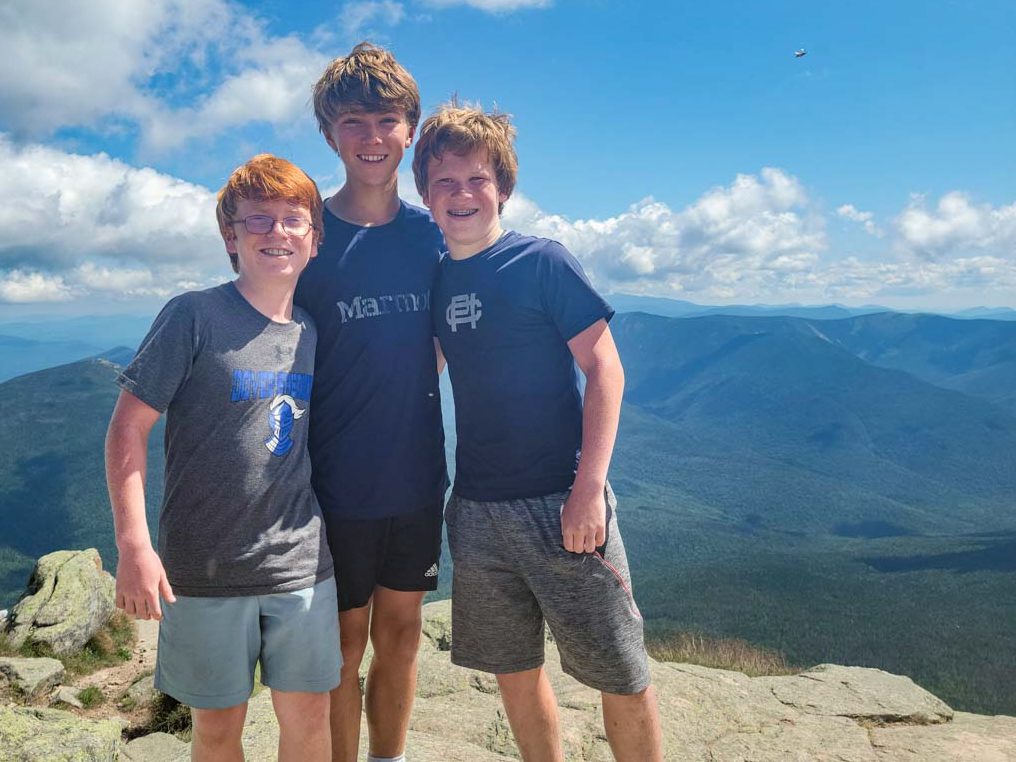
One of the greatest advantages of a full-summer session is the uninterrupted arc of development it allows. In the first week, campers are just getting their bearings. By week two, they’re finding confidence. The real transformation then unfolds in the middle weeks—weeks three, four, and five. Campers have the time to struggle and succeed, to try new things without rushing, and to build friendships that deepen over time. That arc simply cannot be replicated in a two- or three-week session, no matter how well designed. A full-season experience gives kids what childhood experiences today often do not: the gift of time. This immersion allows campers to rediscover adventure, the kind that used to be a natural part of growing up. Away from screens and classroom pressures, our boys wake up to songbirds, paddle ancient waterways, read books by lantern light, and take healthy risks. In shorter sessions, campers often experience a small sample of these adventures. But in a full-season program, they live them. They get to climb mountains, discover new talents, star in campfires and concerts, and more. They settle into a lifestyle where imagination still thrives. A full summer gives them not just memories, but also a sense of who they are when the rest of the world grows quiet.

Full‑season friends become family for life
Perhaps the most meaningful outcome of a full-summer camp experience is the depth and quality of the relationships campers build. Kids who attend full-summer programs typically return year after year, strengthening these bonds over time. At Pine Island, boys spend six uninterrupted weeks living, working, and adventuring together. These friendships grow into inclusive, empathetic communities that feel like family. In contrast, shorter sessions often end just as kids are beginning to trust their group and feel fully themselves. We take connection seriously: boys learn how to support one another, respect differences, listen deeply, and be vulnerable. Sharing chores, cooking on trips, and navigating both the highs and lows of camp life teaches them to value each person for who they are. Families often tell me they worry that their son isn’t ready for six weeks away from home. My answer is always the same: almost no boy arrives feeling completely ready. That’s exactly why the experience is so powerful. Growth doesn’t come from staying comfortable—it comes from stepping into the unknown. Shorter sessions may feel easier, but they rarely stretch a child into new levels of maturity. Over a full summer, campers learn to navigate homesickness, adapt to new routines, and discover strength they didn’t know they had. When they return home, parents consistently tell me they see concrete changes: greater independence, more responsibility, stronger communication skills, and an unmistakable boost of confidence.
Are full-season camps worth the cost?
A full-season camp is undoubtedly a bigger investment both emotionally and financially than shorter camps. It’s completely reasonable for families to ask whether six or more weeks away is worth the cost. But ask any current parent or alumni of any full-season camp and they will all overwhelmingly answer ‘yes, it’s worth it’. Plus, full-season camps are often more affordable per week than combining shorter sessions. More importantly, they offer something those programs can’t: sustained growth, deeper relationships, and immense personal development that only time provides. The return on this investment isn’t fleeting. The confidence, competence, and friendships campers gain in a full-season program stay with them long after the final campfire. In the end, sending your child to camp for a full summer isn’t about “giving up” six weeks – it’s about giving them a gift they will carry forever. That gift is resilience, belonging, self-knowledge, deep friendship, and a sense of adventure that too often slips away in today’s world. Six weeks may feel like a long time, but in my experience, it’s exactly the time kids need to discover who they are and who they can become. Every summer, I see just how profoundly this choice can shape a young person’s life.